

**Unpacking Shopify: A Comprehensive Review of the E-Commerce Platform**In a digital landscape where online shopping has become second nature, choosing the right e-commerce platform can feel like finding a needle in a haystack. Enter Shopify—the powerhouse that has transformed countless entrepreneurs’ dreams into thriving businesses. With its user-friendly interface and robust features, it’s no wonder that millions have flocked to this versatile solution. But what sets Shopify apart from the competition? Is it truly the best fit for your unique vision? In this comprehensive review, we’ll dive deep into its strengths and weaknesses, explore real-world success stories, and unravel everything you need to know before taking the plunge. Whether you’re a seasoned seller or just starting out on your entrepreneurial journey, join us as we unpack what makes Shopify one of the leading names in e-commerce!
Introduction: What is Shopify and why is it popular?
In the ever-evolving world of e-commerce, finding the right platform can feel like searching for a needle in a haystack. Enter Shopify—a name that has become synonymous with online retail success. Launched in 2006, Shopify empowers entrepreneurs and businesses to create stunning online stores without needing extensive technical knowledge. Its popularity is undeniable; millions of merchants globally trust it to run their businesses. But what makes this platform so appealing? From its user-friendly interface to a wealth of customizable features, Shopify promises not just an online store but an entire ecosystem designed for growth. Whether you’re launching your first product or expanding an established business, understanding what Shopify offers could be the key to unlocking your potential in the digital marketplace. Let’s dive deeper into the capabilities and advantages that set Shopify apart from other platforms in the crowded e-commerce landscape.
Features and Benefits of Shopify: A detailed breakdown of the platform’s tools and capabilities
Shopify stands out with its user-friendly interface. Even beginners can navigate it without hassle. The drag-and-drop functionality allows easy customization of online stores. A wide range of themes is available, catering to various industries and styles. This flexibility helps businesses showcase their unique brand identity effectively. Shopify’s built-in SEO features enhance visibility on search engines. You can optimize product pages with ease, improving traffic organically. Inventory management tools streamline your operations. Track stock levels in real-time and receive alerts when items are running low. Mobile optimization is another strong suit. Shopify ensures that your store looks great on any device, tapping into the growing number of mobile shoppers. Payment processing options are diverse, supporting multiple payment gateways including credit cards, PayPal, and more. This adaptability makes transactions convenient for customers worldwide. Marketing tools like email campaigns and social media integrations boost outreach efforts effortlessly.
Pricing Plans: How much does Shopify cost and what do you get for each plan?

Shopify offers several pricing plans tailored to different business needs. The Basic plan starts at $39 per month, ideal for newcomers. It includes all essential features like an online store, sales channels, and basic reporting. As you scale up, the Shopify plan at $105 monthly adds more advanced tools such as professional reports and gift cards. This is perfect for growing businesses aiming for a broader reach. For larger enterprises, the Advanced plan costs $399 monthly. It delivers comprehensive analytics and lower transaction fees, giving serious sellers enhanced capabilities. Each tier comes with its own set of features designed to cater to your specific needs while providing flexibility in growth. A 14-day free trial is also available so you can explore before committing to a subscription.
Setting up your Store: Step-by-step guide on creating an online store using Shopify
Getting started with Shopify is straightforward. First, sign up for an account on their website. You’ll need to provide some basic information like your email address and a password. Once registered, choose a store name that reflects your brand. This name can be changed later, so don’t stress too much about it right away. Next, select a theme from the extensive library of customizable options. A good design makes all the difference in attracting customers. After settling on a theme, add products to your catalog by filling in details such as names, descriptions, prices, and images. High-quality photos are crucial for showcasing what you offer. Don’t forget to set up payment gateways and shipping options tailored to your target market. Lastly, preview your site before launching it live; this ensures everything looks perfect for potential buyers!
Integrations and Apps: How to enhance your store with third-party integrations and apps
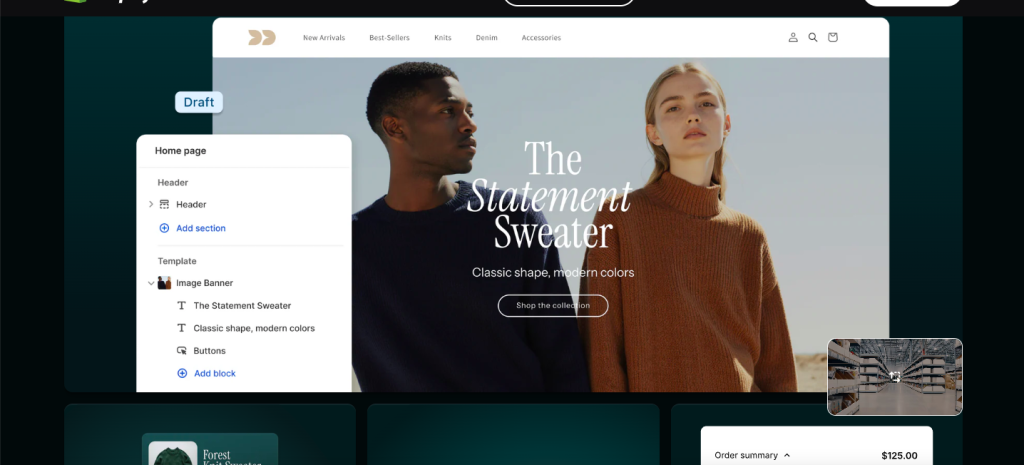
Shopify is a powerhouse, but its true potential shines when you tap into third-party integrations and apps. These tools can transform your online store into a fully functional e-commerce hub. From marketing automation to customer relationship management, there’s an app for almost every need. Want to boost your email campaigns? Integrate with Mailchimp or Klaviyo effortlessly. Looking to streamline shipping? Check out ShipStation or Easyship for seamless logistics solutions. Don’t forget about sales channels. Connecting Shopify to marketplaces like Amazon and Etsy can expand your reach significantly. Social media integrations allow you to sell directly on platforms like Facebook and Instagram—making shopping easier for your customers. The Shopify App Store offers thousands of options, catering to various business needs and budgets. With just a few clicks, you can add features that enhance the shopping experience while driving more sales.
Customer Support: A review of Shopify’s customer support options
Shopify offers a range of customer support options to assist users at any stage of their e-commerce journey. One standout feature is the 24/7 live chat support. It’s quick and efficient, perfect for those urgent queries that can pop up at any hour. Additionally, Shopify provides an extensive help center filled with articles and guides. This resource covers everything from setting up your store to optimizing sales strategies. For more personalized assistance, users can access phone support as well. This option allows for deeper discussions about specific issues or concerns. Community forums also play a vital role in Shopify’s support ecosystem. Users share insights and experiences, often providing solutions before official responses arrive. Lastly, if you’re looking for tailored advice, Shopify Experts offer professional services ranging from design to marketing guidance.
Comparison with other E-commerce Platforms: A comparison between Shopify and its competitors

When comparing Shopify to other e-commerce platforms, a few key players come into focus: WooCommerce, BigCommerce, and Wix. WooCommerce offers great flexibility for those comfortable with WordPress. It’s highly customizable but may require more technical know-how. Users often have to manage hosting and security themselves. Wix is excellent for small businesses or startups needing an easy setup. While it provides beautiful templates and drag-and-drop functionality, it lacks some of the advanced e-commerce features present in Shopify. Each platform has strengths tailored to different business needs, making the choice dependent on your unique requirements and future growth plans.
Conclusion:
Shopify stands out as a powerful e-commerce platform that caters to businesses of all sizes. It’s user-friendly and offers a myriad of features designed to help entrepreneurs launch and grow their online stores effectively. With its customizable templates, extensive app integrations, and robust customer support, it provides everything needed for success. The pricing plans are flexible enough to accommodate various budgets while still delivering value at each level. Setting up your store is straightforward, making it accessible even for those without technical expertise. With countless success stories from diverse industries showcasing how Shopify can propel growth and innovation, this platform continues to be a popular choice among e-commerce entrepreneurs. As you explore options for launching your online store or transitioning from another platform, weigh the features against your needs carefully before making a decision; Shopify could very well be the ideal solution for you.