
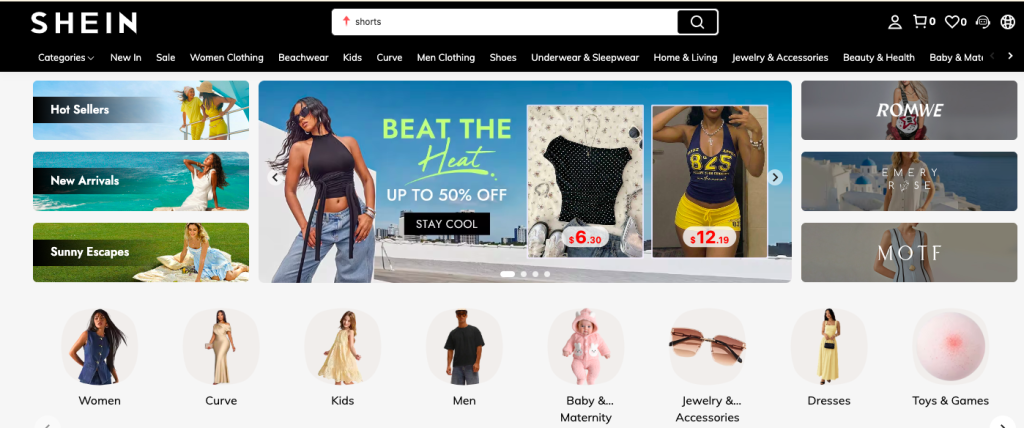
**Shein Review: Is Fast Fashion Worth the Hype?**In a world where trends change faster than you can click “add to cart,” Shein has become synonymous with affordable fashion, drawing in millions of trendsetters and bargain hunters alike. But as we scroll through an endless array of chic dresses, statement tops, and must-have accessories at jaw-dropping prices, one question looms large: is this fast fashion phenomenon really worth the hype? Join us as we dive deep into Shein’s offerings—unpacking quality, sustainability concerns, customer experiences, and style versatility—to help you decide if your wardrobe deserves a sprinkle of Shein magic or if it’s time to hit pause on that shopping spree. Let’s unravel the glitz and glam behind this viral retail giant!
Introduction: What is Shein?
Shein is a name that has taken the fashion world by storm. Known for its trendy styles and unbelievably low prices, it’s become a go-to destination for fashion-forward shoppers everywhere. But what exactly is Shein? Founded in 2008, this Chinese fast-fashion retailer specializes in providing affordable clothing options that cater to the latest trends. With thousands of new items added weekly, it seems like there’s always something fresh and exciting available. Yet beneath the glitzy surface lies a complex web of controversy surrounding fast fashion itself. Is shopping at Shein really worth the hype? In this review, we’ll dig deep into everything you need to know about Shein—from product quality and sizing issues to customer experiences and sustainability practices. Whether you’re a seasoned shopper or just curious about what all the buzz is about, let’s unravel the truth behind this fast-fashion giant!
The Controversy Surrounding Fast Fashion
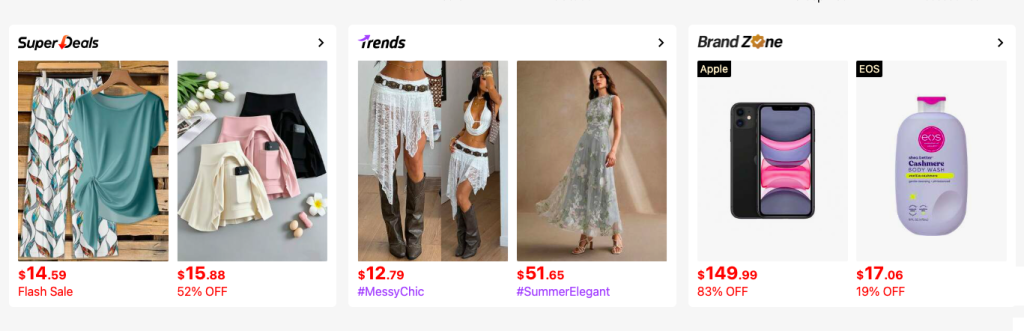
Fast fashion is a double-edged sword. On one hand, it offers trendy clothing at prices that seem too good to be true. On the other, it raises serious ethical questions about labor practices and environmental impact. Many brands operate on a model that prioritizes speed over quality or sustainability. Workers in developing countries often face poor working conditions and low wages while churning out clothes for global consumers eager to keep up with ever-changing trends. Environmental concerns are equally alarming. The textile industry is one of the largest polluters in the world. Shein and its counterparts contribute significantly to waste, as cheap materials lead to short-lived garments discarded after only a few wears. Critics argue that fast fashion promotes consumerism, encouraging shoppers to buy more than they need without considering long-term consequences. This cycle poses significant challenges for both society and our planet’s health.
Pros and Cons of Shopping on Shein
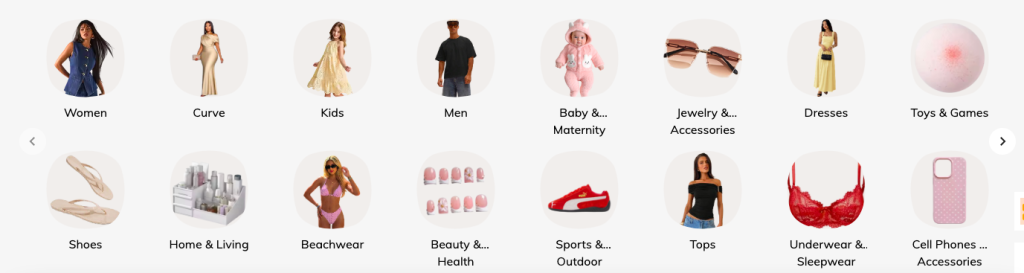
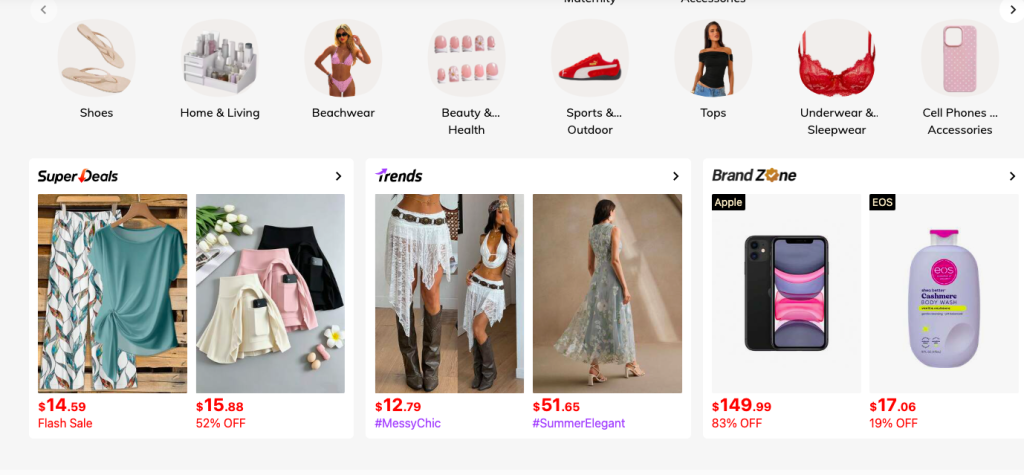
Shopping on Shein has its perks. The vast selection of trendy clothing at unbeatable prices is a major draw. You can find styles that cater to every taste, whether you’re looking for casual wear or something more glamorous. However, the low price point often comes with trade-offs. Quality can be hit or miss; some items may not hold up after a few washes. This inconsistency leaves shoppers wary about what they’ll actually receive. Another factor to consider is the return policy. While returning items is possible, navigating the process can be frustrating and time-consuming. On the flip side, sales and discounts are frequent, making it easy to snag a deal. If you enjoy playing fashion roulette, this could add excitement to your shopping experience. Yet another downside? Sizing issues abound—what fits one person perfectly might not work for another at all.

Quality of Products: Is It Worth the Low Prices?
When it comes to Shein, the low prices often raise eyebrows about quality. Shoppers frequently find trendy pieces that look stunning online. However, the reality can be quite different. Many customers report mixed experiences with fabric and craftsmanship. While some items are surprisingly decent, others feel cheap or poorly made. The materials used can vary widely from piece to piece, which adds an element of unpredictability. The allure of affordable fashion is tempting, but shoppers should remain cautious. Each purchase might bring excitement or disappointment in equal measure depending on what arrives at your doorsteps.
Sizing and Fit: A Major Concern for Online Shoppers
Shopping for clothes online can feel like a gamble, especially when it comes to sizing and fit. Shein is no exception to this challenge. With different styles and cuts, one size doesn’t always translate the same across their vast collection. Shein offers a size chart, but these guides are often based on user-generated data and can lack accuracy. It’s essential for shoppers to read reviews carefully, as they often highlight whether an item runs true to size or if you need to size up or down. Returning items adds another layer of complexity. For those who enjoy hassle-free shopping experiences, sizing discrepancies can quickly become off-putting.
Shipping and Delivery Time: A Look at Customer Experiences
Shipping times can greatly influence the shopping experience. With Shein, customers often report mixed feelings. Some find their orders arriving sooner than expected, while others face delays. Many shoppers appreciate the tracking information provided. It allows them to monitor their packages closely. However, not everyone has had a smooth journey. Some users have shared stories of items taking weeks or even months to arrive. Packaging is another topic of discussion among buyers. While some praise the care taken in packing, others have reported issues with damaged items upon arrival. This inconsistency leaves many wondering what they might encounter when placing an order with Shein. It’s clear that your personal experience may differ from someone else’s entirely.
Sustainability Efforts: Does Shein Have a Plan?
Shein has faced significant scrutiny regarding its sustainability practices. As a fast fashion giant, the brand is often associated with environmental harm and labor concerns. However, it claims to be taking steps toward improvement. The company introduced initiatives like the “Circular Fashion” program aimed at reducing waste. They focus on recycling materials and promoting sustainable choices among consumers. Transparency also plays a crucial role in evaluating their plans. While Shein shares some information about sourcing and manufacturing processes, many shoppers still seek clearer insights into their overall environmental footprint. As they navigate this complex landscape, it’s evident that Shein faces challenges ahead in aligning fast fashion with sustainability goals.
Customer Reviews: Real Opinions from Shein Shoppers
Customer reviews on Shein vary widely, reflecting a mix of delight and disappointment. Many shoppers rave about the trendy styles at unbeatable prices. They appreciate how easily they can refresh their wardrobes without breaking the bank. On the flip side, some customers express frustration with sizing inconsistencies. A dress that fits perfectly for one may be too tight or loose for another. This unpredictability often leads to returns, which can be tedious. These real opinions showcase the varied landscape of shopping on Shein—excitement mingled with caution as consumers navigate their choices in fast fashion.
Alternatives to Shein: Ethical and Sustainable Fashion Brands
If you’re seeking alternatives to Shein, several ethical and sustainable brands deserve your attention. These companies prioritize eco-friendly practices while offering stylish options. Patagonia stands out for its commitment to environmental responsibility. They use recycled materials and promote fair labor practices, making each purchase meaningful. Reformation is another fantastic choice. Their trendy pieces are crafted from sustainable fabrics, designed to minimize waste without sacrificing style. Lastly, Amour Vert champions slow fashion with their beautiful designs made from organic materials. Each piece is produced in limited quantities to lessen environmental impact while supporting local artisans.
Conclusion: Final Thoughts on Shein’s Fast Fashion Model
Shein’s rise in the fast fashion sector has sparked both interest and debate. The brand offers a vast range of trendy clothing at prices that can be hard to resist. However, the issues surrounding quality, sizing, and sustainability cannot be overlooked. Many shoppers are drawn in by Shein’s affordability but may find themselves grappling with inconsistencies in product quality and fit. It’s crucial for consumers to weigh these factors against their own values regarding ethical shopping practices. In seeking alternatives that align more closely with sustainable practices, many brands offer similar trends without compromising on responsibility. Whether Shein continues to thrive will depend heavily on how they adapt to growing consumer concerns about sustainability and transparency moving forward.