
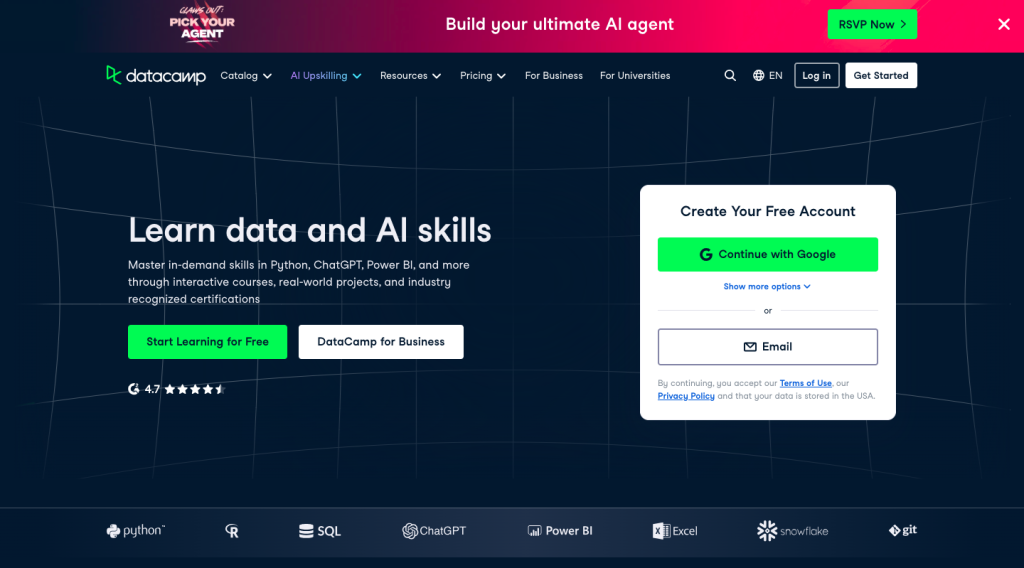
Are you ready to dive into the world of data science but unsure where to start? With a plethora of online learning platforms at your fingertips, it’s easy to feel overwhelmed. Enter DataCamp—a popular choice for aspiring data analysts and scientists that promises to equip you with the skills needed in today’s data-driven landscape. But is it really worth your time and investment? In this comprehensive review, we’ll peel back the layers on DataCamp’s offerings, exploring its courses, teaching methods, pricing structure, and community support. Whether you’re a complete beginner or looking to sharpen your existing skills, join us as we uncover whether DataCamp truly delivers on its promise—or if there are better options out there waiting for you!
Introduction to DataCamp
In today’s data-driven world, the demand for data science skills is skyrocketing. But with so many online platforms claiming to teach these valuable skills, how do you know which one to choose? Enter DataCamp—a popular name in the realm of online learning that promises to transform novices into skilled data analysts and scientists. Whether you’re looking to pivot your career or simply want to enhance your skillset, DataCamp offers a plethora of courses designed for all levels. But does it live up to the hype? Is it truly worth your time and investment? In this comprehensive review, we’ll explore everything from its features and benefits to user experiences, helping you make an informed decision about whether DataCamp is right for you. Get ready as we dive deep into what makes this platform tick!
What is DataCamp and how does it work?
DataCamp is an online learning platform focused on data science and analytics. It offers interactive courses designed to teach programming languages like Python, R, and SQL. Learners engage with hands-on exercises that simulate real-world data scenarios. This practical approach helps solidify knowledge as users work through projects step by step. The platform operates on a subscription model, giving access to its entire library of courses and resources for a monthly fee. Users can track their progress through personalized dashboards. Courses range from beginner level to advanced topics, catering to various skill sets. DataCamp frequently updates content, ensuring learners have access to the latest trends in data science. Through community forums and support channels, students can seek help or collaborate with peers. This fosters a sense of belonging while enhancing the educational experience.
Features of DataCamp
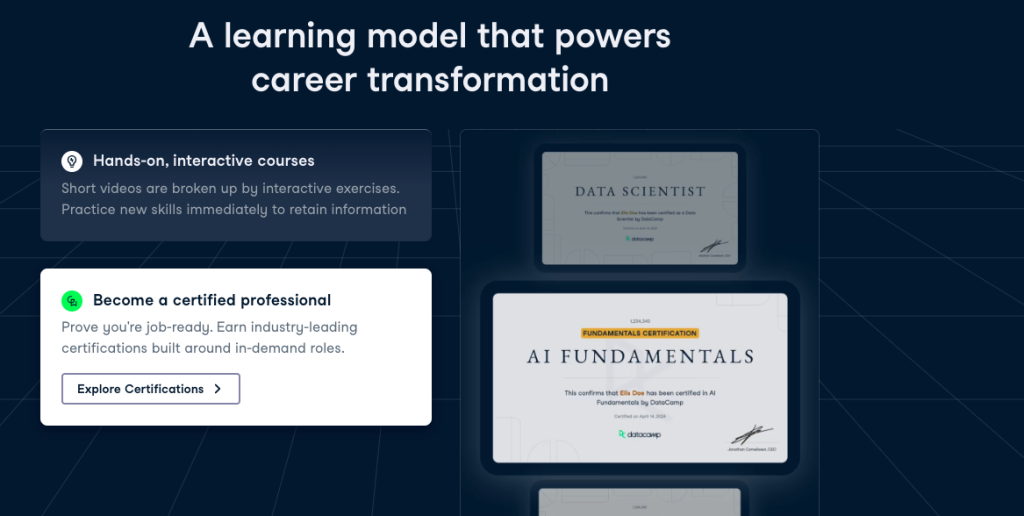
DataCamp offers a range of interactive features that cater to learners at all levels. One standout aspect is its hands-on coding environment. Users can practice data science skills directly in the browser, eliminating the need for complex setups. The platform also boasts a vast library of courses across various topics like Python, R, and SQL. This ensures that there’s something for everyone, whether you’re just starting or looking to deepen existing knowledge. Another key feature is their guided projects. These allow users to apply what they’ve learned in real-world scenarios, enhancing retention and practical skills. Additionally, DataCamp incorporates gamification elements such as badges and progress tracking. This encourages users to stay engaged while they learn at their own pace. With regular updates and new content being added frequently, it keeps the learning experience fresh and relevant for aspiring data professionals.
User reviews and experiences
User experiences with DataCamp vary widely, reflecting individual learning styles and goals. Many users appreciate the platform’s interactive approach to data science. The hands-on coding exercises often receive praise for making complex concepts easier to grasp. However, some learners express frustration with the lack of depth in certain courses. They feel that while the introductory content is solid, advanced topics could use more thorough exploration. This sentiment suggests that DataCamp might be better suited for beginners rather than seasoned professionals seeking deep dives into niche subjects. On social media, testimonials highlight how users have landed new job opportunities after completing specific tracks on DataCamp. Success stories emphasize real-world applications of skills learned through the platform. Users also mention community aspects as a positive feature. Engaging in forums and discussions adds an element of support that enhances their learning journey within this digital classroom setting.
Alternatives to DataCamp
If you’re considering options beyond DataCamp, several platforms offer excellent learning experiences for aspiring data professionals. Coursera boasts a vast range of courses from top universities. You can dive into specializations in data science or machine learning at your own pace. edX is another great alternative, featuring programs designed by prestigious institutions like MIT and Harvard. The flexibility of self-paced learning attracts many students. Kaggle stands out with its interactive coding environment and community-driven competitions. It’s perfect for those looking to apply their skills in real-world scenarios while connecting with peers. Udacity offers nano-degree programs that are more project-focused. These provide hands-on experience that can be invaluable when entering the job market. Lastly, Skillshare provides diverse classes across creative fields, including data visualization and analysis tools. Each platform has unique strengths catering to different learning styles and goals.
Conclusion: Is DataCamp worth your time?
When evaluating whether DataCamp is worth your time, it’s essential to weigh the various aspects of the platform. It offers a comprehensive library of data science and analytics courses that cater to both beginners and more experienced learners. The interactive learning environment allows you to practice coding in real-time, which can enhance retention and understanding. However, some users may find limitations in course depth or prefer alternative platforms for specific subjects. User experiences vary widely; while many report positive outcomes and increased skills, others feel certain areas could use improvement. Ultimately, deciding if DataCamp aligns with your learning goals depends on individual preferences regarding content style, interactivity, and pricing structure. Consider what you aim to achieve—whether it’s building foundational knowledge or advancing existing skills—and evaluate how well DataCamp meets those needs compared to other options available in the market.