
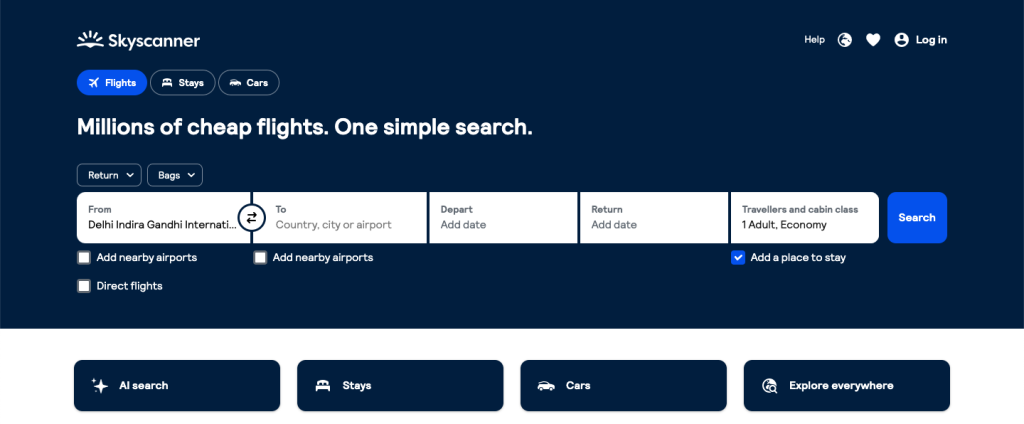
Enter Skyscanner—the travel search engine that promises to simplify your planning process and help you score unbeatable deals. From spontaneous getaways to meticulously planned vacations, this powerful tool claims to be a one-stop shop for all your travel needs. But does it truly deliver on its promise? In this comprehensive review, we’ll dive deep into Skyscanner’s features, user experience, and unique selling points to determine if it’s really the ultimate travel companion or just another player in the crowded market of travel search engines. Buckle up as we explore what makes Skyscanner stand out—and if it’s worth adding to your travel toolkit!
Introduction to Skyscanner and its features
Traveling is one of life’s greatest joys, but finding the perfect flight can often feel like searching for a needle in a haystack. Enter Skyscanner, the travel search engine that claims to simplify your journey from dreaming to booking. With its sleek design and user-friendly interface, it promises to help you uncover the best deals on flights, hotels, and car rentals all in one place. But does it truly live up to the hype? In this Skyscanner review, we’ll dive deep into its features and functionality to see if it can stand out amidst a crowded market of travel tools. Whether you’re planning your next vacation or just daydreaming about far-off destinations, let’s explore what makes Skyscanner tick—and whether it’s worth adding to your travel toolkit.
How does Skyscanner work?
Skyscanner operates as a search engine for flights, hotels, and car rentals. Users start by entering their departure city, destination, and travel dates. The platform quickly scans numerous airlines and travel agencies. Once the data is gathered, Skyscanner displays a comprehensive list of options. Filters let you narrow down results based on price, duration, or number of stops. This feature makes it easy to find the best deals that suit your preferences. The site also offers flexible date searches. If you’re open to traveling on different days or months, this option can reveal cheaper prices. You may even see an entire month’s worth of fare comparisons at once. Booking through Skyscanner usually redirects you to the airline’s website or a partner agency for final arrangements. This transparency ensures that users see all available choices before making a commitment.
Personal experience with Skyscanner

I first discovered Skyscanner when planning a spontaneous weekend getaway. The interface was intuitive, making it easy to navigate through flight options. I appreciated the layout that clearly displayed prices and travel times. One feature that stood out was the “whole month” search option. It allowed me to find the cheapest days to fly without having to check each date individually. This saved me a lot of time and effort. Booking my flights was smooth as well. After selecting my preferred option, I was redirected quickly to the airline’s site for checkout. Transparency in pricing gave me confidence during the process. On another trip, I used Skyscanner to book accommodation too. The integration with hotel searches provided many choices at various price points, which made finding a place convenient and straightforward.
Comparison with other travel search engines
When comparing Skyscanner to other travel search engines, several aspects stand out. Unlike Google Flights, which offers a sleek interface and powerful filtering options, Skyscanner prides itself on providing comprehensive results from both airlines and third-party booking sites. Kayak is another competitor that boasts flexible search features. However, its user experience can feel cluttered compared to Skyscanner’s clean design. Users may find it easier to navigate through flight options with Skyscanner’s simple layout. Momondo serves as an excellent alternative too, often showcasing cheaper fares thanks to its unique algorithms. Still, some users prefer the straightforwardness of Skyscanner when searching for specific routes or last-minute deals. Each platform has its niche strengths but ultimately caters to various traveler preferences. Whether you’re after budget-friendly options or luxury flights, there’s likely a tool that’s better suited for your needs beyond just one option.
Tips for using Skyscanner effectively
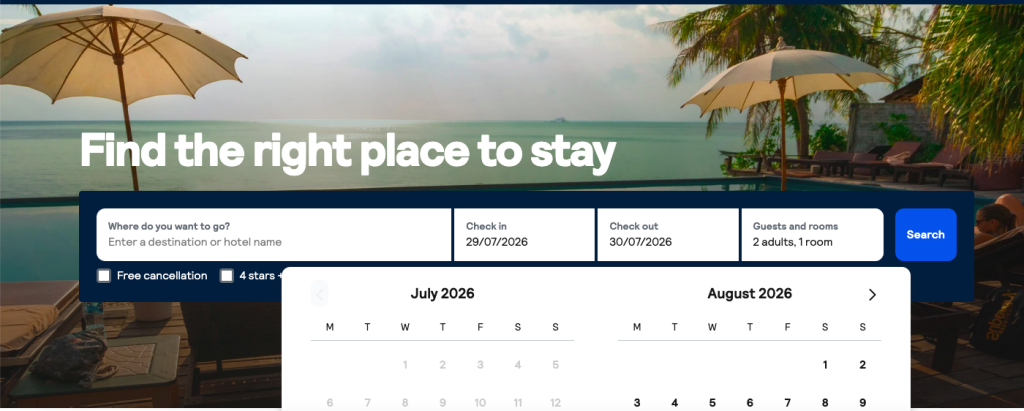
To get the best out of Skyscanner, flexibility is key. If your travel dates are adjustable, use the “Whole Month” search option. This feature helps you find the cheapest days to fly. Set up price alerts for destinations you’re eyeing. You’ll receive notifications when prices drop, allowing you to snag a deal without constantly checking. Don’t just limit your search to flights; explore hotels and car rentals as well. Bundling these services often leads to additional savings. Consider using incognito mode in your browser while searching. This can help avoid dynamic pricing based on your previous searches. Lastly, check multiple airports nearby for better rates. A short drive might save you significant cash on airfare or accommodations.
Conclusion: Is Skyscanner the ultimate travel search engine?
As the travel landscape continues to evolve, Skyscanner stands out as a robust tool for travelers. Its user-friendly interface and comprehensive search capabilities make it appealing for planning trips. The ability to compare flights, hotels, and car rentals all in one place is undeniably convenient. However, while Skyscanner excels in many areas, it’s not without its drawbacks. Some users may find that prices fluctuate or that certain deals are not always available when booking directly through airlines or providers. Personal experiences can vary significantly from traveler to traveler. What works seamlessly for one person might be frustratingly complex for another. Y