
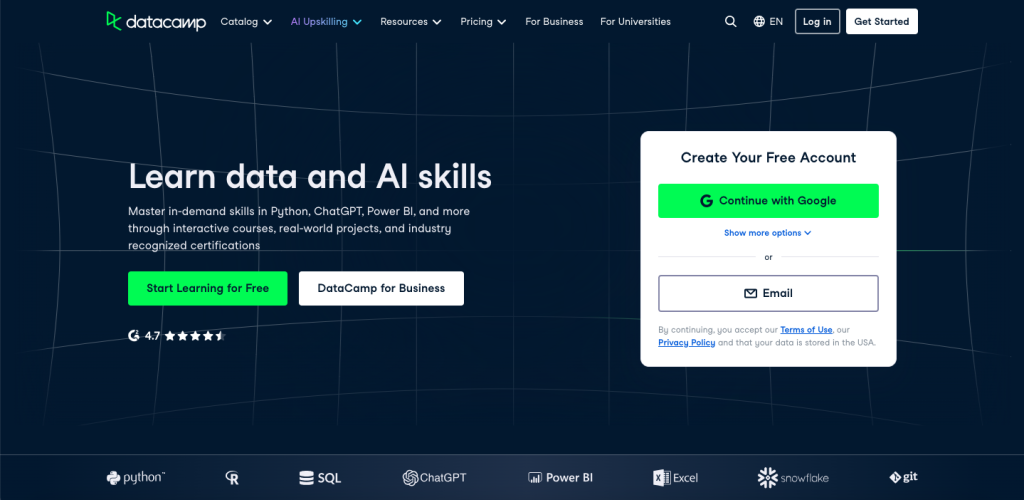
In today’s data-driven world, mastering the art of analytics and programming is no longer just an option—it’s a necessity. Enter DataCamp, the online learning platform that has taken the educational landscape by storm with its interactive courses and hands-on approach to teaching data science. But does it truly live up to the hype? Whether you’re a novice eager to dip your toes into Python or an experienced analyst looking to brush up on your R skills, our comprehensive review will unpack everything you need to know about DataCamp’s offerings. From course variety and user experience to unique features that set it apart from other platforms, join us as we delve deep into what makes DataCamp a go-to resource for aspiring data enthusiasts!
Introduction: What is DataCamp?
In the fast-paced world of data science and analytics, keeping up with the latest skills can feel overwhelming. Enter DataCamp, an online learning platform designed to simplify that journey. Whether you’re a beginner eager to dive into data analysis or a seasoned professional looking to sharpen your skills, DataCamp offers a plethora of courses tailored just for you. But what sets this platform apart from others? With its interactive coding exercises and expert-led video tutorials, it promises not only knowledge but also real-world applications. If you’ve ever wondered how to tackle big data challenges or want to uncover insights hidden in spreadsheets, stick around as we explore everything DataCamp has to offer. From unique features and course variety to pricing options – let’s unpack this popular educational tool together!
Overview of DataCamp’s Features and Offerings
DataCamp stands out in the online learning space with its interactive approach to data science education. The platform offers a variety of courses tailored for beginners and seasoned professionals alike. One key feature is its hands-on coding environment, which allows learners to practice directly in their web browser. This immediate application of concepts helps reinforce knowledge effectively. Additionally, DataCamp provides access to real-world datasets, enabling users to tackle practical challenges they might face in their careers. With a diverse library covering topics like Python, R, SQL, and machine learning, there’s something for every aspiring data enthusiast. The platform also includes skill assessments that guide learners toward personalized course recommendations based on their strengths and weaknesses. With progress tracking features and community support through forums, DataCamp creates an engaging environment conducive to continuous growth.
Course Selection: What Topics are Covered?
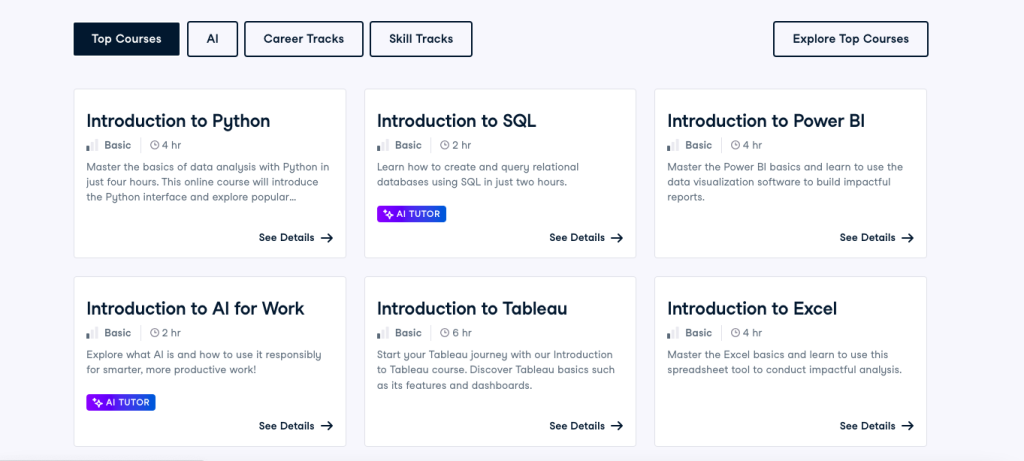
DataCamp offers a diverse range of courses designed to cater to various skill levels and interests. It primarily focuses on data science, analytics, and programming. You’ll find topics like Python, R, SQL, and machine learning prominently featured. The platform also dives into specialized areas such as data visualization with tools like Tableau and ggplot2. For those interested in statistical analysis or big data technologies like Apache Spark, DataCamp covers these subjects extensively. Courses are structured in bite-sized formats that make them easy to digest. This encourages learners to progress at their own pace without feeling overwhelmed by complex concepts. Hands-on projects allow users to apply what they’ve learned immediately. Whether you’re looking for foundational knowledge or advanced techniques, there’s likely something tailored for your needs at DataCamp.
Pricing Options and Value for Money
DataCamp offers multiple pricing plans to accommodate various learning needs. Their subscription model includes a monthly and annual option, making it flexible for casual learners or committed users. The standard plan gives access to all courses, projects, and practice sessions. This is particularly appealing for those eager to dive deep into data science without breaking the bank. For teams and organizations, DataCamp has tailored solutions that provide additional features like analytics tracking and team management tools. These options can streamline learning within professional settings. When evaluating value for money, many users find that the breadth of content justifies the cost. The interactive nature of lessons contributes significantly to an engaging experience while enhancing retention rates over traditional methods. Ultimately, potential subscribers should assess their own goals before committing to any plan.
User Reviews and Testimonials
DataCamp users share a wide range of experiences, showcasing both delight and frustration. Many appreciate the platform’s interactive approach to learning. The hands-on coding exercises resonate with those who learn best by doing. Users often highlight specific courses that helped them land jobs or advance their careers. Testimonials frequently mention data science roles as direct outcomes of completing key modules. This demonstrates DataCamp’s effectiveness in bridging education and employment. On the flip side, some learners express concerns about course depth and complexity. A few suggest that certain topics could be more comprehensive for advanced practitioners seeking deeper insights. The community aspect also garners attention. Users enjoy forums where they can discuss challenges, exchange tips, and connect with fellow data enthusiasts. This sense of belonging enhances the overall experience for many members on their educational journey through data science.
Comparison with Other Online Learning Platforms

When comparing DataCamp to other online learning platforms, the focus often lies in its niche: data science and analytics. Unlike broader platforms like Coursera or Udemy, DataCamp zeroes in on interactive coding exercises tailored for beginners and intermediates. Platforms such as edX offer university-level courses but usually lack the hands-on approach that DataCamp provides. The instant feedback mechanism on DataCamp can significantly enhance your learning curve. Additionally, while some competitors feature video lectures primarily, DataCamp emphasizes active participation through practical assignments. This method resonates well with learners seeking immediate application of concepts. However, if you’re looking for a wider range of subjects beyond data-related topics, alternatives like LinkedIn Learning might serve you better. Each platform has its unique strengths; choosing one ultimately depends on individual learning preferences and goals.
Conclusion: Is DataCamp Worth It?
DataCamp offers a robust platform for anyone looking to enhance their data science and analytics skills. With an extensive library of courses covering topics from Python to machine learning, the content is tailored for both beginners and experienced professionals. Its interactive approach helps learners engage with material more effectively. The pricing structure provides flexibility, catering to different budgets while offering good value for the depth of knowledge provided. User feedback highlights satisfaction with course quality, though some wish for broader subject options. When compared to other online learning platforms, DataCamp stands out due to its focus on hands-on experience and real-world applications in data analysis. This makes it appealing not just as an educational tool but as a practical resource. For those passionate about diving into data science or enhancing existing skills, DataCamp presents compelling reasons to explore its offerings further. Whether you choose to commit will depend on your personal learning objectives and preferences within the vast realm of online education.